Moving to Malta from the UK: Travel Advice for UK Travellers
The sunlit harbours, golden cliffs and the centuries-old charm meet the modern ease in Malta. Although, a tiny Mediterranean nation, many travellers are planning on moving to Malta from the UK, thanks to its spell-binding culture, delightful lifestyle and a warm climate.
This guide dives deep into everything you need to make your move to the Malta smooth from the UK. Also, make sure to grab a Malta Schengen Visa from UK in advance to enjoy your short trips without any hassles!
Quick Summary – This blog is your go-to guide for relocating or moving to Malta from the UK. It uncovers the post-Brexit travel formalities, the cost-of-living insights and the area-specific advice. Readers also get to discover how to secure a Malta visa effortlessly. With the tips on living, neighbourhoods, nightlife and the culture, this post becomes a handbook for turning your Mediterranean dream into the reality!
Moving to Malta from the UK—Important Things to Know
| Category | Answer |
| Language spoken | Maltese and English are the Official Languages of Malta |
| Currency | Malta uses the Euro, and most places accept contactless cards. |
| Top attractions | Don’t miss Valletta’s Grand Harbour views, Mdina’s silent, lamp-lit streets, and the Blue Grotto’s vivid turquoise caves. |
| How to get around | Public buses are cheap but can be busy; many visitors mix them with ride-hailing and short harbour ferries between Valletta and Sliema. |
| Major airports | Malta International Airport (MLA) in Luqa |
| Interesting Facts about Malta | 1).Over 80-83% of Maltese residents identify as Catholic, and the islands have more than 350-360 churches. 2). Malta’s total land area is about 315–316 square kilometres, making it among the very smallest countries in the world. 3). Malta welcomed about 3.56 million tourists in 2024, more than six times its resident population, a record year for the country. |
Can a British citizen move to Malta after Brexit?
Yes, a British citizen can move to the Malta. But, post-Brexit, it now requires more planning and the paperwork than a simple one-way flight.
Under the Schengen Agreement, UK citizens can travel to the Malta visa-free for up to 90 days within a 180-day period. However, if you are a resident of the UK holding passport of a visa-required country, you will be required to get a Malta Schengen Visa from UK.
On the other hand, if you are opting to stay longer in the Malta (applies to British citizens & residents) for work, study or retirement, you will need to acquire a residence permit.
This is because, following the end of EU freedom of movement on 31 December 2025, British nationals and residents now need to apply for one of Malta’s official residence permits. The processing for these usually takes about 4 to 8 weeks. Most of these permits are valid for 1 to 5 years, depending on the type of visa and the purpose of your stay.
So, long stays in Malta will require you to get any one of the following permits, as per your stay purpose:
- Ordinary Residence Permit – for those with employment or self-employment.
- Permanent Residence Program (PRP) – Ideal for the financially independent applicants.
- Nomad Residence Permit – For remote workers.
- Student Residence Permit – For full-time education in Malta.
However, for the UK residents (with visa-required passports), the simplest way to experience Malta is through a Malta visa. You can apply for the following types of Malta short-stay visas:
- Malta Tourist Visa
- Malta Business Visa
- Malta Spouse Visa
- Malta Transit Visa
Why do Brits move to Malta?
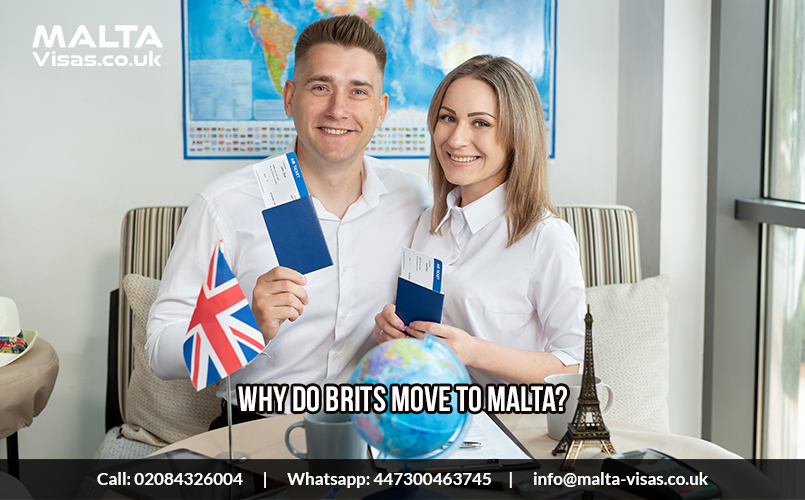
Malta has become the top European destination for the British expats and the numbers tell the story. Here is what is drawing a record number of visitors from the UK:
- All-Year Sunshine – With nearly 300 sunny days a year, Malta boasts one of the warmest climates in the Europe. In fact, you will feel even the winter as a spring season.
- Lower day-to-day costs – Living costs are around 32% cheaper than in the UK. Also, the monthly expenses average €1,421 vs €2,092 in the UK. Transport alone costs just €63 monthly when compared to €175 in the UK. Even the utility bills are cheaper at just €58 compared to €175.
- Tax Benefits that Matter – The personal tax bands in Malta start at 0% and top out at 35%. Malta also offers different types of residence schemes that can reduce effective tax rates for the qualifying UK expats in the Malta.
- English Everywhere – English is the official language of Malta. Also, with 88.3% English proficiency, you can easily navigate the bureaucracy, healthcare and daily life without the translation apps.
- Coastal City Lifestyle – Destinations like the Valletta, Sliema and St. Julian’s offer a compact walkable mix of the harbourside promenades and the rooftop bars. Additionally, the regular flights back to a dozen UK airports ensure that you can travel to Malta and back whenever you want!
How to get to Malta from the UK – A Quick Glance
Basking in over 300 days of sunshine, the Malta sits just three hours away from the UK. This makes Malta perfect for a weekend escape or the longer Mediterranean stay. But, what are the travel options to reach Malta from UK? Read on!
1). Which UK Airports Fly Directly to Malta?
Major UK airports with the direct flights to the Malta include :
- London Gatwick (LGW)
- London Heathrow (LHR)
- Manchester (MAN)
- Birmingham (BHX)
- Edinburgh (EDI)
Key carriers that operate the UK to Malta flight routes:
- British Airways
- Air Malta
- easyJet
- Ryanair
- Jet2
- TUI airways
2). What is the cheapest way to get to Malta from the UK?
- The budget airlines like the easyJet offer fares which start at just £24–£40 one-way from the London Gatwick. Also, you can expect round-trip flight deals to be around £100 when you book 2-3 months in advance.
- Please note that the flight ticket prices may vary by the season. However, expect the spring and autumn to offer the best value compared to the summer peak months.
- Also, book the midweek flights to get the lower fares. Additionally, you can use the fare comparison tools or sign up for the price alerts to get the best deals on flight tickets.
Living in Malta – Essential Information to Know
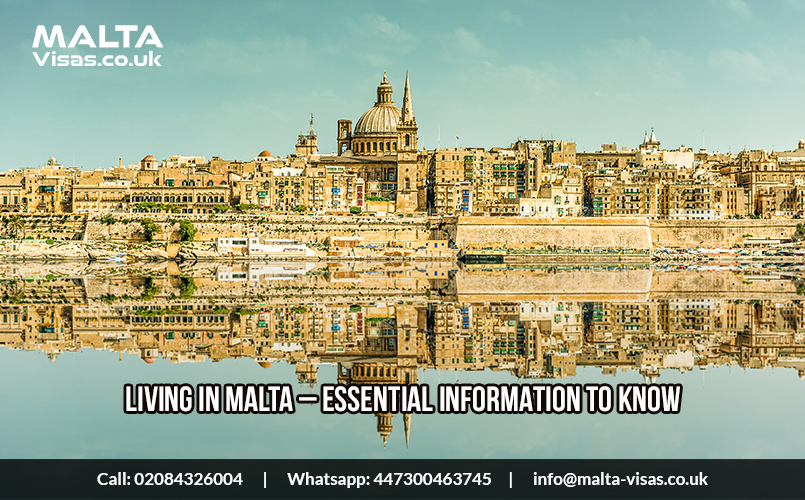
Climate of Malta: What UK Travellers Should Expect
Malta enjoys an almost year-round sunshine and is characterised by the mild winters along with the long and dry summers. In fact, the UK receives just 1,461 hours of sunshine, whereas Malta boasts 3,000 sunshine hours for the entire year. Here, is a quick seasonal overview of Malta for you:
a). Summer (June – September): Expect daily highs around 28-34°C and sea temperatures which reach about 26°C.
b). Winter (December – February): Enjoy a comfortable 10-16°C, which is far milder than the 2-7°C of the UK.
c). Spring (March – May) & Autumn (September – November): Both these seasons feature a pleasant 20-26°C. This makes the climate perfect for the outdoor adventures or living!
d). What are the best months to visit/settle in Malta? You should plan travelling or moving to Malta from the UK around April-June and September to October.
What is the cost of living in Malta?
- The living costs in the Malta are roughly 30-32% lower than in the UK. However, the rental markets have tightened in the recent years.
- Expect a one-bedroom flat in the Central Sliema or St. Julian to cost €900-€1,500 (£770-£1,280). On the other hand, family homes may reach €1,800-€3,000.
Comparison of monthly essentials: Malta vs UK
a). Utilities: €80-€150 (£68-£128) versus UK’s £175
b). Groceries for two: €400-€600 (£340-£510)
c). Mid-range restaurant meal: €20 (£17) per person
d). Mid-range restaurant meal: €20 (£17) per person
So, singles may need around €1,500-€2,000 monthly which excludes the rent. On the other hand, families may need around €3,100 to enjoy their stay in the Malta for a month!
Maltese Lifestyle & Culture: What to Expect When You Move to Malta?
- Life runs at an unhurried Mediterranean pace in the Malta, with most businesses operating 8 am – 5 pm. Also, you will come across the long lunch breaks in the summer.
- Also, Malta has a siesta time of 1 pm – 4 pm during which the traditional businesses close.
- As for the Malta culture, it beautifully blends the European efficiency with the relaxed island ambience.
- Also, make sure to respect the traditional festivals, weekday siestas and the late dining times. As a newcomer/visitor in the Malta, doing this will help you connect with the locals and blend in easily!
Where to Live in Malta: Best Neighbourhoods for New Visitors
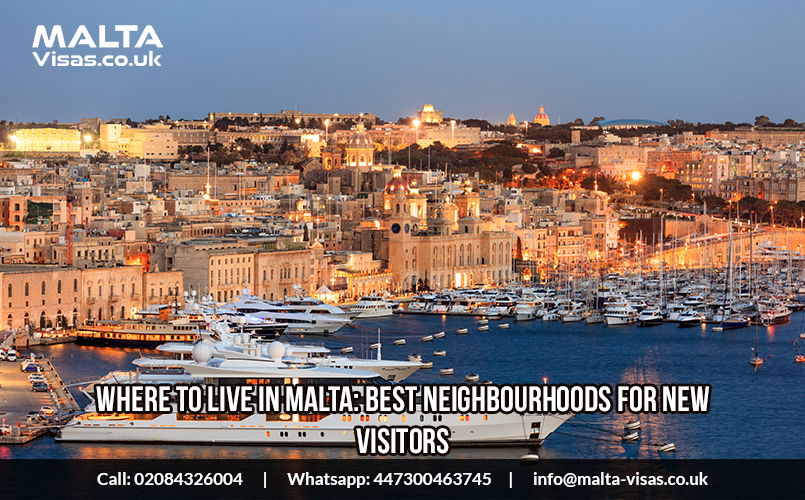
Choosing the neighbourhood where you stay can shape your entire Malta experience. It also depends on what you value most – city life, coastal charm or the rustic beauty of the Malta. Here are the major areas, where you should plan to stay in the Malta:
1). Sliema – Malta’s Stylish Seaside Hub
It is a modern seafront hub that is packed with the cafés, high-end shops and the coastal promenades. Here, apartments near the Tower Road average about €1,200–€1,600 (£1,045–£1,395) a month. This is ideal for those who want both the sea breeze and a lively social scene. All you need is a Malta visa UK to get started on your trip!
2). St. Julian’s – The Beating Heart of Malta Nightlife
This area is popular for its nightlife and the waterfront dining in the Spinola bay. However, the St. Julian’s has upscale properties and luxury rentals which are priced around €1,200–€1,800 (£1,050–£1,575). Also, this place has several small beaches. It suits visitors/travellers who want an active social scene but close to the business hubs.
3). Valetta – Capital City that Blends Culture, Charm & Convenience
The UNESCO-listed capital city of Malta is perfect for the culture enthusiasts who are willing to stay in the historic buildings. Here, rental prices range from €800 to €1,400 (£700–£1,225). This area is ideal for those who value history, want to attend the cultural events and have easy access to the central government offices. Before moving to Malta from the UK, make sure to secure your stays in advance for a smooth stay experience in the Malta!
4). Mdina – Experience Storybook Streets and Ancient Beauty
It is popularly called as the “Silent City” and offers the quiet, medieval ambience along with the scenic views. Properties are rare and pricier but full of character and start at around €1,300 (£1,140) monthly.
Healthcare in Malta: How it works for UK travellers and residents?
Malta’s healthcare system ranks among the best in the Europe. Also, Malta stands 5th in the world for providing high healthcare quality. This is thanks to a combination of the strong public structure along with the accessible private options. Expect the treatment quality to be top-notch. Also, most medical staff speak fluent English!
1). Public vs Private Healthcare in Malta
- Public Healthcare in Malta – It is funded through the taxation. Also, it features the free or low-cost care to the residents at the government hospitals and clinics. Moving to Malta from the UK certainly offers some incredible benefits for the UK travellers when it comes to the healthcare services!
- Private Healthcare in Malta – Expect the shorter waiting times and more personal facilities. It is popular amongst the expats and the long-stay visitors.
2). Healthcare Access for UK nationals in Malta
- UK nationals can use the UK Global Health Insurance Card (GHIC), which replaced the EHIC post-Brexit. This is only applicable for the medically necessary state healthcare during the temporary stays.
- However, if you are a UK resident (from visa-required country), visiting the Malta for short-stays, then consider getting a comprehensive travel insurance. It must offer €30,000 coverage for the medical emergencies and force majeure.
- On the other hand, long term residents of Malta from the UK must register locally to secure the private health insurance. Average premiums for this may range between €35–€70 (£30–£60) per month, depending on the coverage.
3). Major Hospitals and Healthcare Facilities in Malta
- Mater Dei Hospital (Msida) – It serves as the primary public hospital of the Malta and has about 825 beds along with the comprehensive departments.
- St. Thomas Hospital (Qormi) and St. James Hospital (Sliema) – Leading private healthcare options in the Malta. These places have modern equipment along with the English-speaking specialists!
Nightlife in Malta: From the Coastal Bars to Beach Clubs
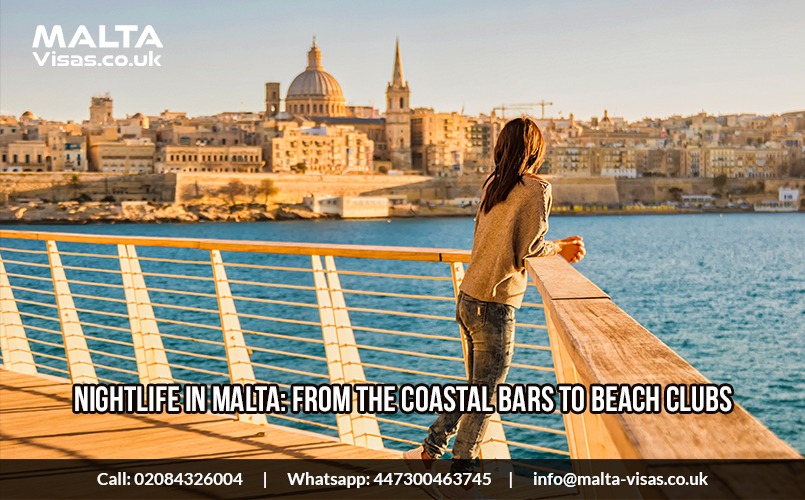
The nightlife scene of the Malta is quite vibrant, international and easy to navigate. Essentially, it fuses the beachside cocktails with the late-night clubs under the Mediterranean sky. Here are some places that will give you the best nightlife experience in the Malta:
1). Paceville (St. Julian’s)
The nightlife of Malta pulses strongest in the Paceville. This area is quite popular for its energetic club scene, international bars and the all-night parties. The action usually kicks off around 10 pm, but does not truly begin until 11 pm. Popular spots such as the Hugo’s terrace and the Sky Club welcome crowds from midnight until 4-5 am!
2). Sliema and Valletta
These areas offer a more relaxed evening. This is thanks to the wine bars which overlook the harbour. Additionally, you can enjoy nightlife in the stylish lounges, which are suited for the quieter nights out!
3). Bugibba and St. Paul’s Bay
Ideal for the visitors who prefer the beachfront pubs and the live-music venues that stay lively till about 2 am.
What are the Best Things to Do in Malta?
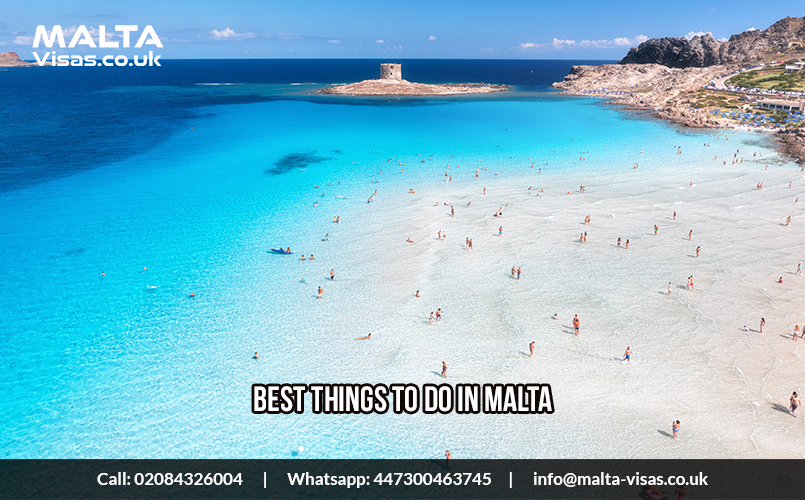
1). Explore the UNESCO-listed Valletta
Wander through the 320 monuments crammed into just 55 hectares of land at Valletta (the Capital of Malta). In fact, this place is one of the most concentrated historic areas of the World.
While exploring, do not miss out on the St. John’s Co-Cathedral which houses the masterpiece “The Beheading of Saint John the Baptist” by Caravaggio.
On the other hand, there is the Grandmaster’s Palace which showcases the 16th-18th century armour, including the Grand Master la Valetta’s own breastplate.
2). Go Swimming at the Blue Lagoon, Comino
This place is famous for the crystal-clear turquoise waters and the limestone coves. These provide the perfect area to enjoy the swimming, snorkelling, or simply floating under the Mediterranean sun. This might be one of the best things that you will enjoy after moving to Malta from the UK!
3). Explore Mdina and the Ancient Temples
Lose yourself in the lamp-lit lanes of the Mdina. Then, head over to the prehistoric temples of the Ħaġar Qim and Mnajdra. These happened to be older than the Stonehenge!
4). Feast at the Traditional Ftira and Pastizzi Spots
Sample the flaky pastizzi which are stuffed with the ricotta, at the Crystal Palace Bar in the Valletta. Apart from these, relish the rabbit stew (fenek) at the countryside village feasts. Do not miss out on the fresh seafood in the Marsaxlokk!
How do I get a Malta Visa from the UK?

Planning to enjoy a short-stay in the Malta but worried about the complex visa process? Unable to get an appointment after waiting a long time and do not want to wait anymore?
Then, a trusted partner like MALTA VISAS is what you need to speed up your visa acquisition. We are a visa agency in the UK helping travellers like you secure fast-track appointments which ultimately speeds up the time to obtain your visa.
In order to enjoy the hassle-free Malta visa process, simply follow the 4 steps outlined below:
- Fill the online Malta Schengen visa application form.
- A visa expert will contact you and book the appointment for you as per your availability to ensure convenience.
- Go to the visa centre on the day of the appointment. Complete your biometrics or documentation process.
- Receive the passport as well as the Malta visa securely via post in just a few days!
Conclusion
The journey of moving to Malta from the UK might seem like a daunting task at first. But, making Malta your new home is full of the exciting possibilities. These may include getting used to the Mediterranean lifestyle, enjoying practical benefits like the affordable living and excellent healthcare and much more.
However, as a UK resident (with visa-required passport) if you want to go on a short-trip to the Malta to see what it has in store, then you will need to book a Malta visa appointment from UK. Securing it might be a long wait, unless you apply through a reliable agency like MALTA VISAS. Our blazing-fast appointment booking services coupled with a nominal fee and 24/7 support, ensure that you get your Malta visa in no time!
So, start your Malta visa application today and transform your island dreams into the everyday reality!
Key Takeaways:
- Post-Brexit stays under 90 days for the UK residents (visa-required passport) will require a Malta Schengen Visa. Also, the work, study or remote work in Malta hinges on picking the right Maltese long-stay visa or the residence permit.
- Living costs in the Malta average a third below the UK. However, the seaside flats in Sliema or St Julian’s in Malta command €1,200 plus, so budget your stays carefully.
- Year-round sun, official English language and cheap flights from six major airports in the UK make weekend Malta trips ridiculously easy.
FAQs
1). How much does it cost for moving to Malta from the UK?
The standard relocation expenses to the Malta include flights from £26-£100 and shipping belongings £10-15k. Apart from this, the property deposits may range from €900-€3,000 and the residence permit fees hover around €300 (digital nomad) or the €60,000+ (MPRP)
2). Is Malta cheaper to live in than the UK?
Yes, the living costs in the Malta are approximately 30-32% lower than in the UK. This is evident across the average monthly expenses, transport costs and even the utilities too. However, rental prices in the prime areas of the Malta like the Sliema can be competitive.
3). Can I drive in Malta with a UK license?
The temporary residents under 12 months can use the valid UK driving license. Also, long-term permanent residents must exchange the UK licenses for the Maltese ones through the Transport Malta.